About
Hello everyone!
My name is Charlotte, and I’m thrilled to welcome you to my website. This space is dedicated to exploring and advocating for some of the most important issues of our time: animal welfare, the benefits of family farms, and the urgent need to address climate change. These topics may seem distinct, but they are deeply interconnected, and together, they form a comprehensive approach to creating a sustainable and ethical world.
Why Animal Welfare Matters
Ever since I was young, I’ve been passionate about animals and their rights. As a pescatarian, I’ve committed to a lifestyle that reflects my belief in the ethical treatment of animals. Animal welfare is not just about preventing abuse; it’s about recognizing the intrinsic value of all living beings and the roles they play in our lives. For instance, rescued dogs find loving homes and contribute to our well-being, and therapy animals provide emotional support and healing. By promoting humane practices and understanding the valuable roles animals play, we can foster a more compassionate and ethical society.
Family Influence: My grandfather, a dedicated veterinarian, has been deeply involved with therapy dogs, further inspiring my commitment to animal welfare.
The Role of Family Farms
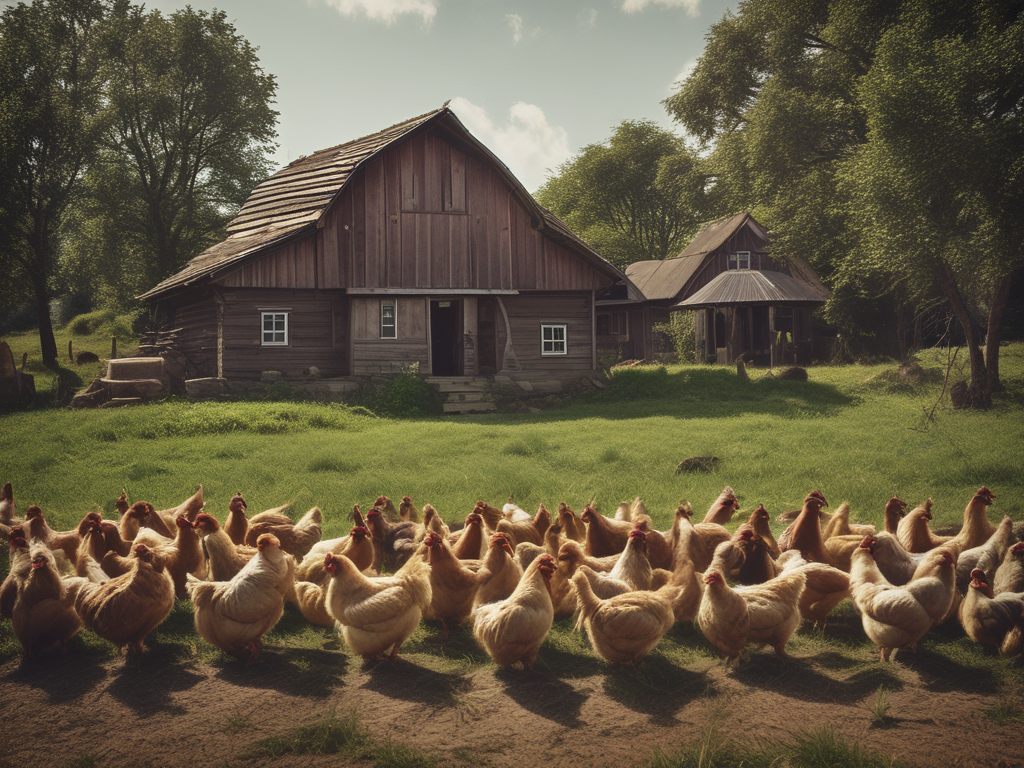
Family farms have always held a special place in my heart, not just because of their rich history and contributions to our food system, but also because they offer a sustainable alternative to factory farming. My great-great-grandfather was a pioneering bacteriologist at Baron de Hirsch’s Woodbine Farms, a testament to my family’s long-standing connection to agriculture and sustainability. Family farms prioritize animal welfare, providing more natural living conditions for livestock and avoiding the overcrowding and inhumane practices often found in industrial farming. Additionally, they employ sustainable farming techniques that protect the environment and enhance biodiversity.
Addressing Climate Change
Climate change is one of the defining challenges of our generation. Its impacts are far-reaching, affecting not just our environment, but also our health, economy, and social systems. Agriculture, especially factory farming, is a significant contributor to greenhouse gas emissions, deforestation, and water pollution. By supporting family farms and sustainable agricultural practices, we can reduce the carbon footprint of our food systems. Sustainable farming practices, such as crop rotation, organic farming, and reduced reliance on chemical fertilizers and pesticides, help to sequester carbon in the soil and protect our natural resources.
How These Concepts Interconnect
Animal welfare, family farms, and climate change are interconnected in several ways:
- Ethical Farming Practices: Family farms often follow ethical farming practices that ensure the well-being of animals. By avoiding factory farming methods, they reduce the environmental damage caused by intensive livestock production, such as methane emissions and excessive waste.
- Sustainable Agriculture: Sustainable practices used by family farms, like organic farming and integrated pest management, help combat climate change by reducing carbon emissions and enhancing soil health. These practices also create healthier living conditions for animals.
- Animal Value and Roles: Recognizing the value and roles of animals in our lives, such as through dog rescues and therapy animals, fosters a deeper connection and respect for all living beings. This understanding supports broader animal welfare initiatives and highlights the importance of humane treatment across all contexts.
- Environmental Stewardship: Both animal welfare and sustainable farming contribute to environmental stewardship. By treating animals humanely and using eco-friendly farming techniques, we protect ecosystems, conserve biodiversity, and ensure that our natural resources are available for future generations.
Explore More
On this website, you will find:
- Blogs: Regular posts discussing animal welfare, sustainable farming practices, and climate change.
- Vlogs: Videos documenting my visits to dog rescues, therapy animal centers, family farms, and land trusts.
- Current Events: Updates and analyses of recent developments in the fields of animal rights, sustainable agriculture, and climate action.
- Podcasts: Interviews with political leaders, animal rights activists, farmers, environmentalists, and more.
Through this platform, I aim to educate, inspire, and mobilize readers to take action. Whether it’s through adopting more ethical eating habits, supporting local family farms, or advocating for stronger environmental policies, there is so much we can do together to create a better world.
 Farming the future